What Makes a Traditional Funeral Meaningful
A traditional funeral has long been a way for families to honor a life, express grief, and begin healing together.
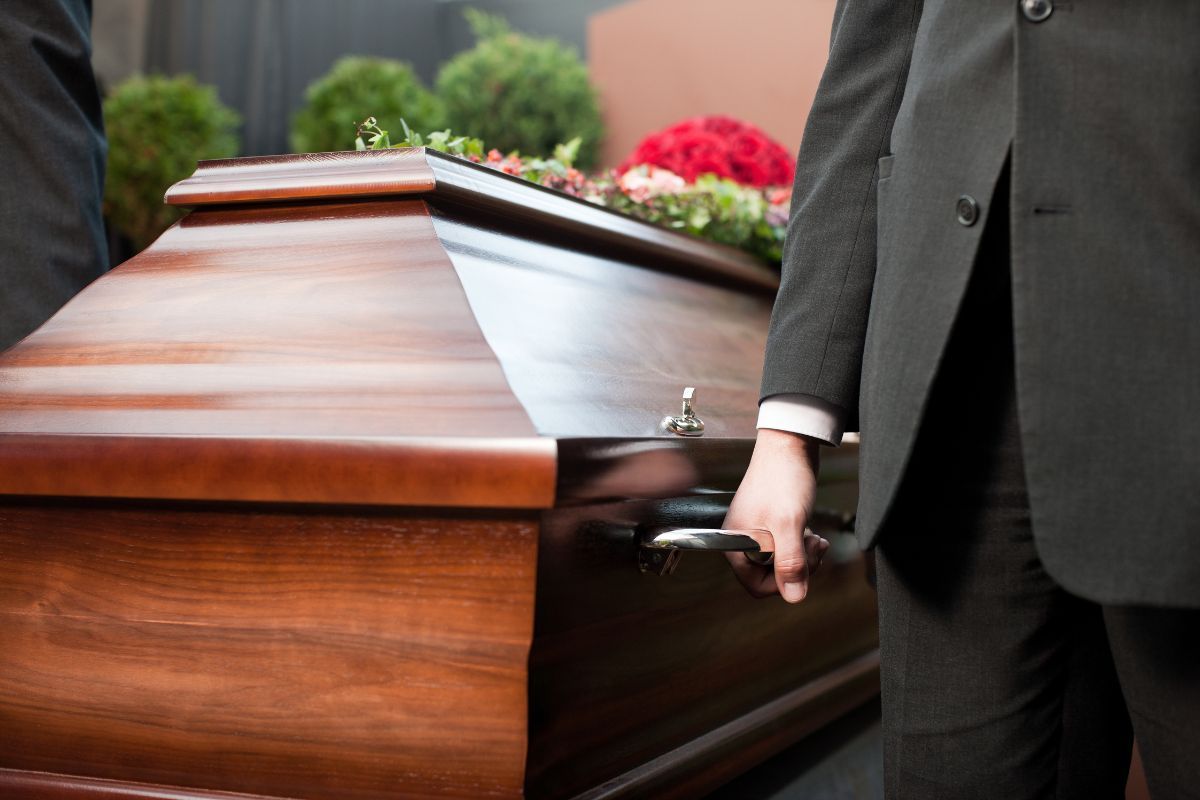
While customs and practices may vary, the heart of a traditional funeral remains the same: it provides structure, meaning, and connection during one of life’s most difficult moments.
In a time when families have many choices about how to remember a loved one, traditional funerals continue to offer comfort because of their familiarity and depth. Understanding what makes these services meaningful can help families decide whether a traditional approach feels right for them.
The Importance of Ritual and Structure
One of the most meaningful aspects of a traditional funeral is its sense of structure. When grief feels overwhelming, having a clear sequence of events—such as a visitation, funeral service, and committal—can provide stability and guidance.
Rituals help families and friends understand what is happening and what comes next. Standing together, listening to readings, sharing prayers, or observing moments of silence allows mourners to acknowledge the reality of loss in a supported way. These shared actions create a sense of order at a time when life may feel uncertain.
For many people, familiar traditions bring reassurance and a feeling of continuity, connecting the present moment to generations before them.
Honoring the Life and Legacy of the Loved One
A traditional funeral is centered on honoring the person who has died. Through spoken words, music, symbols, and memories, the service reflects who they were and what they meant to others.
Eulogies, scripture readings, or personal reflections give voice to a life story. They highlight values, relationships, and milestones that shaped the individual. Even small details—such as favorite hymns, meaningful poems, or photographs—help paint a fuller picture of the person being remembered.
This focus on the individual reminds those gathered that the service is not only about loss, but also about gratitude for a life lived.
Creating Space for Shared Grief
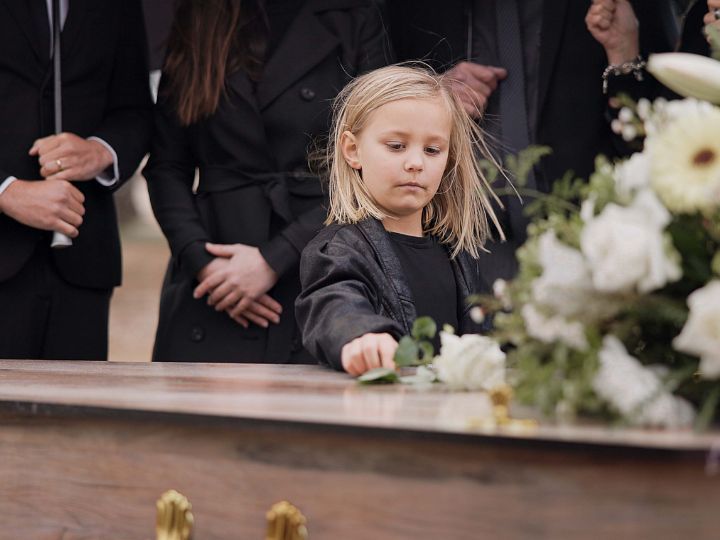
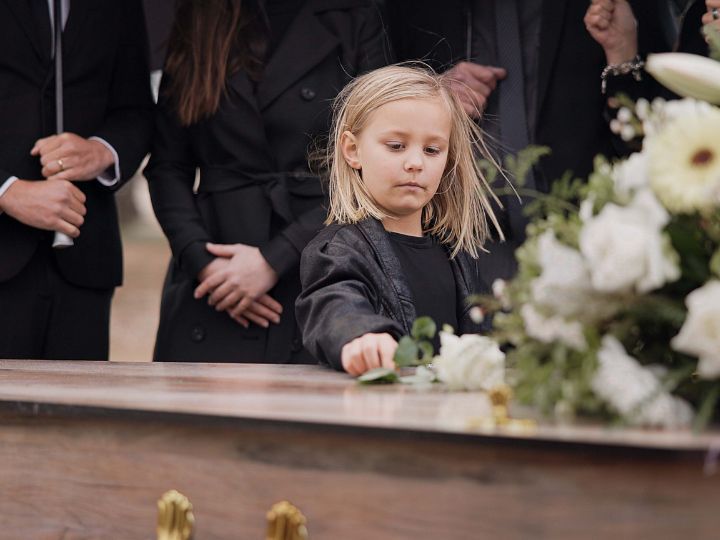
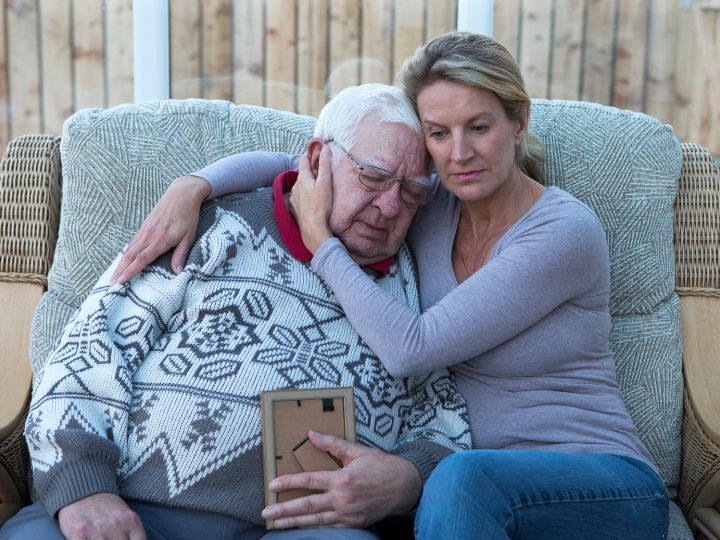
Grief can feel isolating, but a traditional funeral brings people together in shared mourning. Seeing others who cared for the same person can be deeply comforting, especially for immediate family members who may feel alone in their pain.
The presence of friends, relatives, neighbors, and community members sends a powerful message: the loved one mattered, and the family is not alone. Simple gestures—handshakes, quiet words of sympathy, or shared tears—can provide emotional support that lasts well beyond the service itself.
This communal aspect of a traditional funeral often helps mourners feel understood and supported, even when words are difficult to find.
The Role of Visitation and Viewing
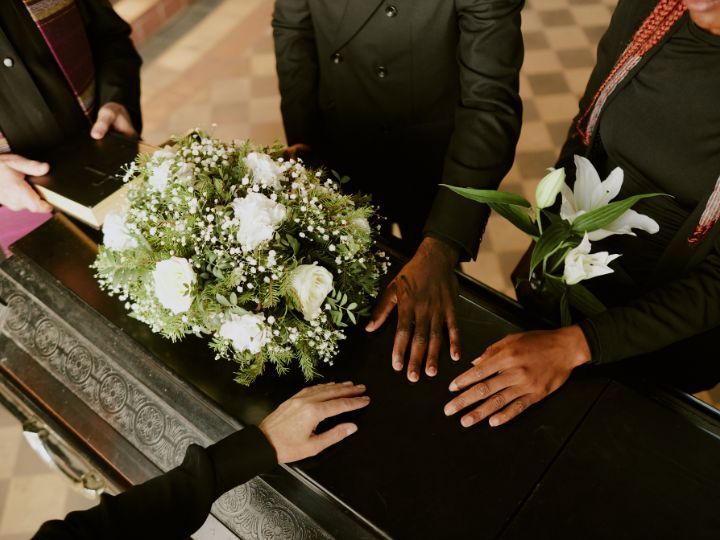
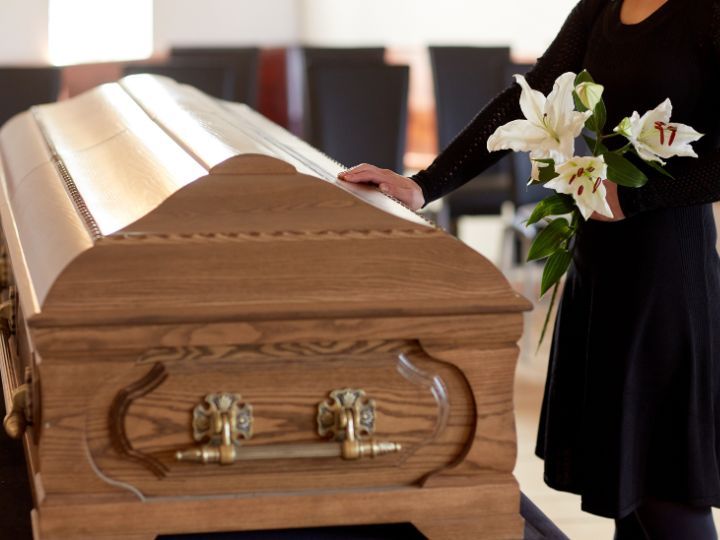
For many families, a visitation or wake is an important part of a traditional funeral. It offers an opportunity for people to pay their respects in person and for families to receive condolences in a more informal setting.
Viewing the deceased can also be meaningful. While not right for everyone, it can help some individuals accept the reality of the loss and begin the grieving process. Seeing a loved one at rest may provide a sense of closure or peace.
Funeral directors take great care to ensure that this experience is handled with dignity and sensitivity, respecting the wishes and comfort level of each family.
Faith, Culture, and Personal Beliefs
Traditional funerals often reflect religious or cultural beliefs that have guided families for generations. Whether rooted in faith-based practices or long-standing cultural customs, these elements provide spiritual meaning and comfort.
Prayers, blessings, and rituals can help families express hope, seek peace, and find strength during loss. Even for those who are not deeply religious, these traditions may still feel meaningful because of their connection to family history and shared values.
A traditional funeral can be adapted to honor these beliefs while still allowing room for personal touches that reflect the individual being remembered.
The Symbolism of Burial or Final Committal
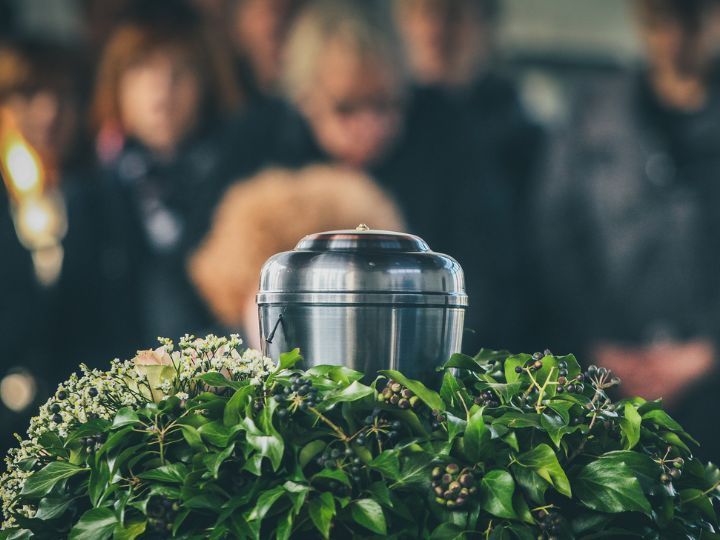
Another meaningful aspect of a traditional funeral is the final committal, whether through burial or entombment. This moment marks a transition and provides a clear point of farewell.
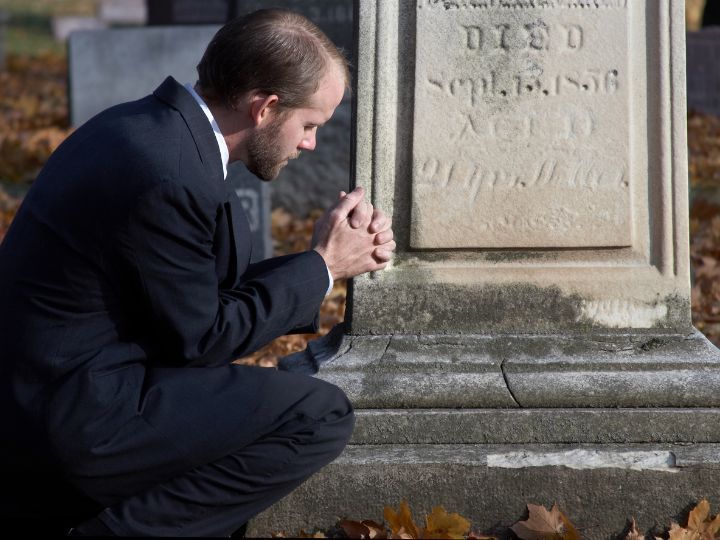
Gathering at the graveside or mausoleum allows loved ones to say goodbye together. Words spoken, prayers offered, or moments of silence shared can be deeply moving and memorable.
This final act often helps families acknowledge the reality of the loss while also affirming their ongoing connection through memory and love.
Support from Experienced Funeral Professionals
Behind every meaningful traditional funeral is thoughtful guidance from experienced funeral professionals. Planning a service during a time of grief can feel overwhelming, and having compassionate support helps families make decisions with confidence and care.
Funeral directors help families navigate traditions, personalize services, and manage details so they can focus on what truly matters—remembering and honoring their loved one.
At Mangano Family Funeral Homes, serving Long Island families for more than 100 years, this guidance is rooted in respect, patience, and understanding. Each family’s wishes are honored, and every service is approached with dignity.
Meaning Is Personal
What makes a traditional funeral meaningful is not how elaborate it is, but how well it reflects the needs of the family and the life being honored. For some, meaning comes from time-honored rituals. For others, it is found in quiet moments, shared stories, or simple acts of remembrance.
There is no single definition of a “perfect” funeral. A meaningful service allows grief to be expressed, memories to be shared, and healing to begin.
In honoring tradition, families often find comfort not only in what has been done before but also in knowing they are not walking this path alone.